
The Theme of Memory and Storytelling
The Green MileThe act of writing the memoir becomes a way for Paul to confront his past, preserve the truth, and find meaning in suffering.
increasing Bearing strength in each event
 decreasing
Bearing strength in each eventdecreasingPaul Begins to Write
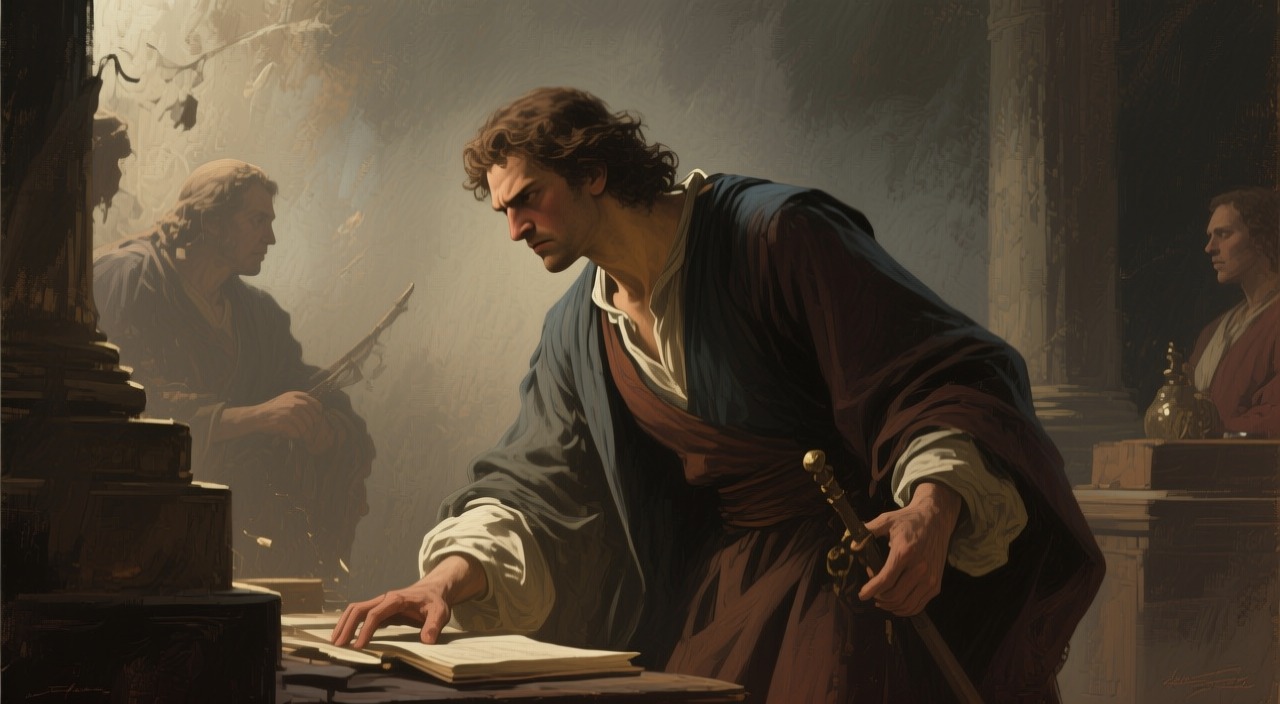
The Need to Remember
The Trigger
Paul sees Richard Widmark in Kiss of Death, who reminds him of William Wharton. He decides to write his story.
The Process
Writing is painful but necessary. Paul finds that memory sharpens as he writes. He relives the events of 1932.
The Purpose
Paul wants to leave a record of John Coffey's innocence and the miracles he witnessed. He hopes someone will believe.
Elaine Reads the Manuscript
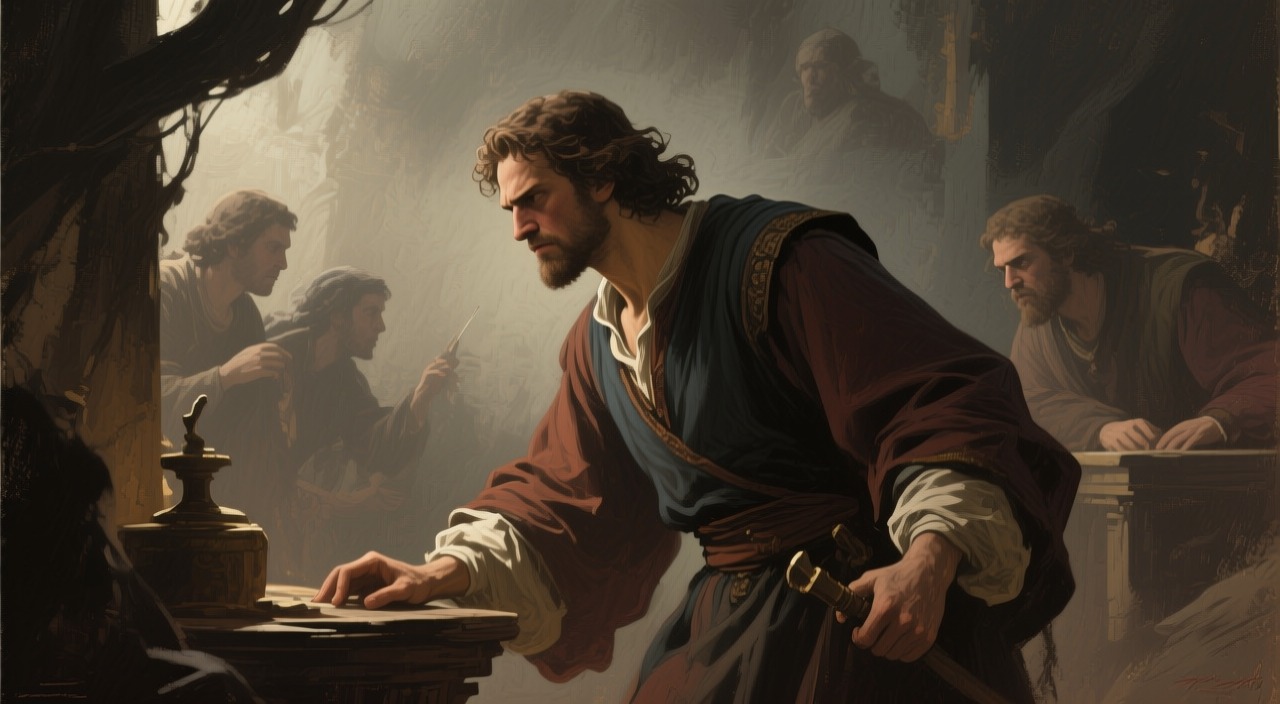
A Witness to the Truth
Elaine's Reaction
Elaine reads Paul's story and is moved to tears. She believes him. Her validation is important to Paul.
The Shared Secret
Paul shows Elaine Mr. Jingles. She sees the mouse and understands. The story becomes real for her.
The Burden Shared
Elaine helps Paul bury Mr. Jingles. She becomes a companion in his old age, sharing the weight of his memories.
The Unfinished Story
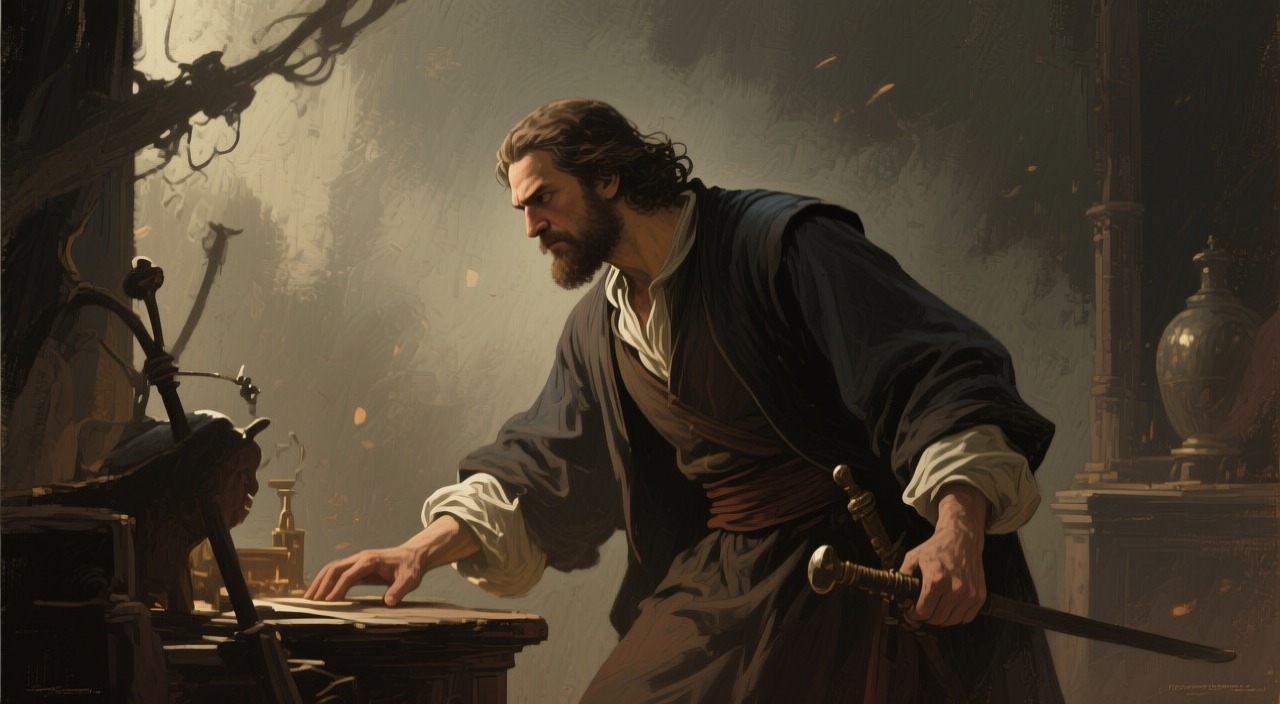
The Green Mile Never Ends
Paul's Conclusion
Paul finishes his manuscript but realizes the story is not over. He still waits for death. The Green Mile is his life.
The Final Lines
Paul writes about the bus crash and his longing for Janice. He ends with the phrase "We each owe a death."
The Author's Afterword
Stephen King adds an afterword, explaining the serialization. The novel is a story within a story, a testament to the power of narrative.
1990s, at Georgia Pines
1990s, at Georgia Pines
1990s, at Georgia Pines
